Build human habitats. Protect local ecosystems.
Our of-the-place approach to building sees the forest for more than just the trees.
Beyond the critical issues of energy efficiency and carbon emissions, the building industry cannot ignore the environmental toll of construction materials—their toxic impact on our waterways, forests, human health, and food supply is a more urgent concern than ever.
Our commitment to material sourcing is two-fold:
Forest-Friendly Sourcing

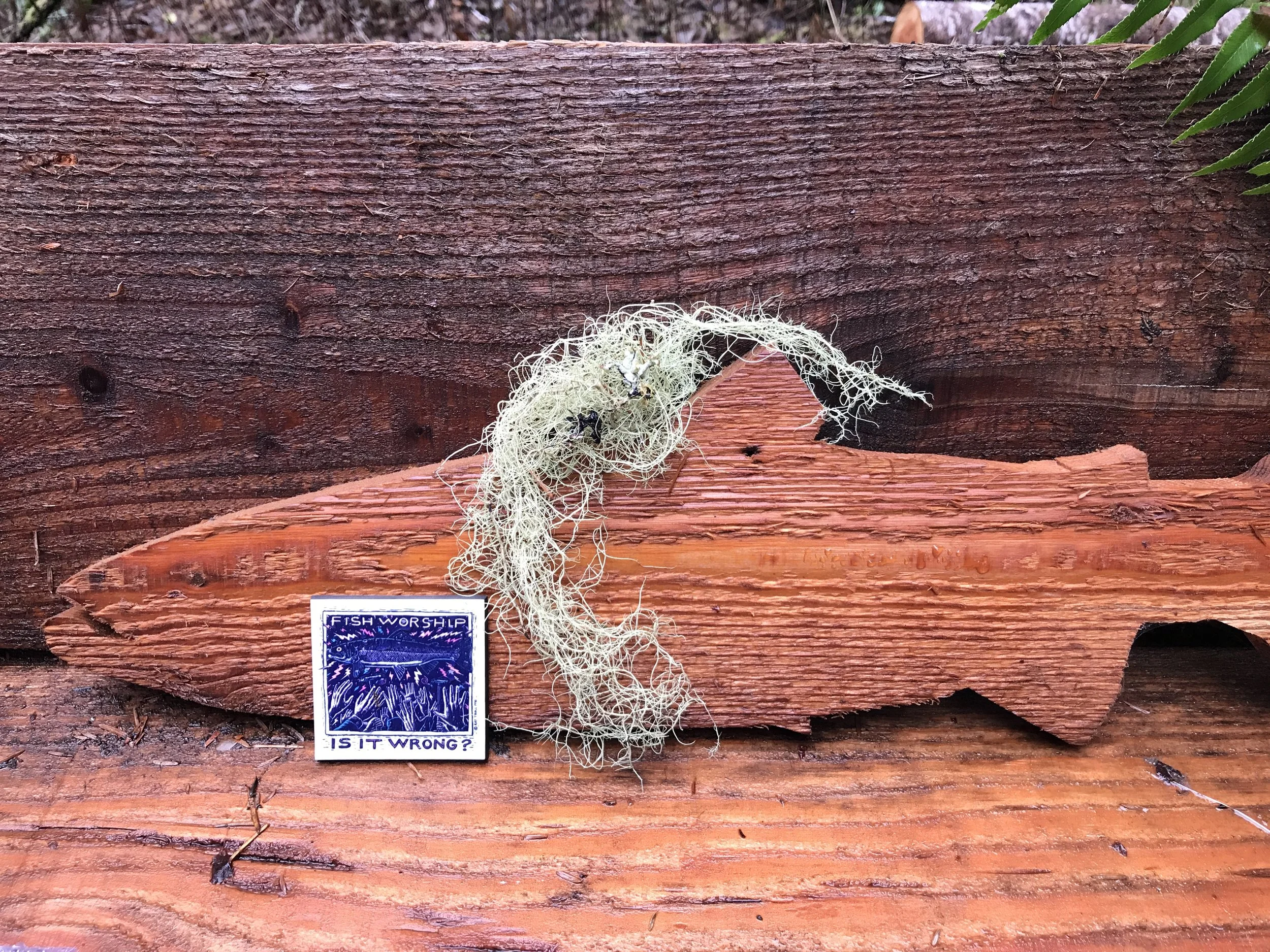
We choose to build with lumber sourced from forests with management practices that protect water quality, restore habitat, and support native species conservation in Pacific Northwest watersheds. This is the Cascadian standard of sustainability.
Since 2013, JRA has held Chain of Custody Certification from the Forest Stewardship Council which ensures that the forest-based materials we use in the production of our projects are FSC-certified. This also includes reclaimed materials. FSC-materials are identified and tracked during the manufacturing and distribution processes and all sales receipts are kept. This process allows JRA to certify entire projects.
Healthy Material Sourcing

We build for the long term by selecting materials that offer maximum durability and minimum toxicity. Our choices are designed to withstand physical and environmental stress and reduce raw material consumption over time. Crucially, we prioritize the health of our workers and clients alike by sourcing no or low-toxicity materials. Typical building materials pose well documented harmful and carcinogenic health risks. Due to our longstanding commitment to material research and reputable on-line databases (listed below) we have trusted material palettes we have vetted over time.
The Red List is a compilation of "worst-in-class" chemicals and materials known to pose serious risks to human health and the environment. Managed by the International Living Future Institute (ILFI), it is the backbone of the Living Building Challenge certification.
-
Asbestos: Formerly common in insulation and floor tiles; highly hazardous if disturbed.
Formaldehyde: A known carcinogen often found in composite wood and laminates.
PVC (Polyvinyl Chloride): Used in piping and wire sheaths; releases toxins during manufacture and disposal.
PFAS (Per- and Polyfluoroalkyl Substances): "Forever chemicals" found in stain repellents and coatings; persistent in the environment.
Halogenated Flame Retardants: Often found in foam insulation and upholstery; linked to neurological issues.
Toxic Heavy Metals: Including lead, mercury, arsenic, and cadmium.
-
These resources provide databases and tools to help you source materials that align with your commitment to ecological health.
Declare Label Database: An "ingredients label" for building products that clearly identifies if a product is Red List Free.
Pharos Project: A comprehensive library that screens over 20,000 substances against health and environmental hazard lists.
mindful MATERIALS (mM): A free platform that aggregates human health and environmental impact data for thousands of vetted building products.
HomeFree (by Habitable): Provides simple "red-to-green" rankings to help select healthier product types, specifically tailored for residential and affordable housing.
Six Classes (Green Science Policy Institute): Educates on grouping thousands of harmful chemicals into six manageable classes to avoid "regrettable substitutions".